Introduction
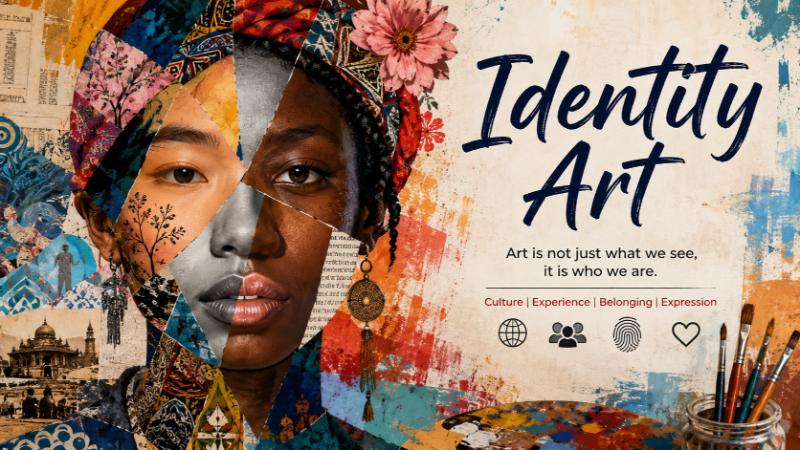
Art is one of the most powerful ways through which people express their feelings, thoughts, culture, and experiences. Since ancient times, humans have used art to communicate ideas and preserve their history. Among the many forms of artistic expression, identity art is considered one of the most meaningful because it focuses on the identity of individuals and communities. Identity art explores who people are, where they come from, and how society influences their lives. It allows artists to express personal experiences related to culture, gender, race, religion, nationality, and social background. In today’s modern world, identity art has become increasingly important because people want recognition, equality, and freedom to express themselves.
What is Identity Art?
Identity art is a form of art that represents personal or collective identity. It helps people understand themselves and also helps society understand the experiences of others. Many artists use their own lives as inspiration for their artwork. Through paintings, photography, sculpture, digital media, and performance art, they express emotions such as pride, struggle, pain, freedom, love, and hope. Unlike traditional art that often focuses only on beauty, identity art usually carries a deeper message about society and human experiences. It encourages viewers to think critically about social issues and cultural differences.
Historical Background
The roots of identity art can be found in ancient civilizations where art reflected cultural beliefs, traditions, and social structures. Ancient Egyptian art, tribal masks, and Indigenous paintings all represented the identity of specific communities. However, identity art became more popular during the twentieth century because of social and political movements around the world. During the civil rights movement, feminist movement, and LGBTQ+ rights movement, artists began using art to challenge inequality and discrimination. Women artists questioned why men dominated the art world, while Black artists used art to speak against racism and injustice. These movements transformed art into a powerful tool for social change and representation.
Summary
| Aspect | Description |
|---|---|
| Definition | Art that represents personal or collective identity |
| Main Focus | Culture, race, gender, religion, nationality |
| Purpose | Self-expression, awareness, and social change |
| Historical Roots | Ancient civilizations and modern social movements |
| Cultural Role | Preserves traditions and cultural heritage |
| Gender Aspect | Highlights feminism and LGBTQ+ experiences |
| Social Impact | Raises awareness about inequality and injustice |
| Technology Role | Digital art and global sharing platforms |
| Importance | Promotes diversity, empathy, and understanding |
Culture
Culture plays a major role in identity art because culture shapes the way people think, behave, and express themselves. Many artists include traditional symbols, clothing, language, and historical references in their work to celebrate their cultural heritage. Indigenous artists often use traditional patterns and storytelling methods to preserve their culture and history. Similarly, immigrant artists use identity art to express the challenges of living between two cultures. They may feel connected to their homeland while also adapting to a new society. Through identity art, they share feelings of belonging, nostalgia, and adaptation. Cultural identity art helps people appreciate diversity and understand different traditions and lifestyles.
Gender
Gender identity is another important subject in identity art. Many artists challenge traditional ideas about masculinity and femininity through their work. Feminist artists have used art to address issues such as gender inequality, domestic roles, body image, and violence against women. They wanted women’s voices to be heard and respected in society and in the art world. LGBTQ+ artists also use identity art to express experiences related to sexuality and gender identity. Their artwork often focuses on themes of acceptance, discrimination, self-discovery, and equality. Identity art has helped increase awareness about LGBTQ+ rights and encouraged society to become more inclusive and understanding.
Race
Race and ethnicity are central themes in identity art because they strongly affect social experiences. Many artists use their work to speak about racism, colonialism, and discrimination. Black artists often highlight the history of slavery, segregation, and injustice while also celebrating cultural pride and resilience. Artists from colonized regions use identity art to reclaim their history and challenge Western narratives. Street art and murals also play a major role in expressing racial identity and social movements. These artworks give voice to communities that have been ignored or oppressed.
Social Issues
Identity art is not only about personal expression but also about social issues. Many artists use their work to talk about inequality, poverty, immigration, mental health, and political oppression. By presenting real-life struggles through visual form, identity art creates awareness and encourages public discussion. It helps people understand problems that they may not experience directly. This emotional connection makes identity art a powerful tool for empathy and social understanding.
Technology
Technology has changed the way identity art is created and shared. Digital tools, social media platforms, and online galleries allow artists to reach global audiences. Artists now use photography, animation, video art, and virtual reality to express identity in new and creative ways. Social media also allows individuals to share their personal identities with the world instantly. However, technology also raises questions about real identity versus online identity, as people often present idealized versions of themselves on digital platforms. Many modern artists explore this difference in their work.
Importance
Identity art is important because it helps people understand themselves and others. It promotes diversity, equality, and cultural awareness. It also preserves traditions and histories that might otherwise be forgotten. Through identity art, individuals gain confidence to express their thoughts and experiences. It also plays an important role in education by helping students learn about culture, history, and social issues in an engaging way. Identity art encourages empathy and respect among different communities.
Conclusion
Identity art is more than just creativity; it is a reflection of human life and identity. It gives voice to individuals and communities, allowing them to share their stories and experiences with the world. From ancient traditions to modern digital platforms, identity art has evolved but its purpose remains the same: to express who we are. In a diverse and changing world, identity art plays a vital role in building understanding, respect, and connection among people.