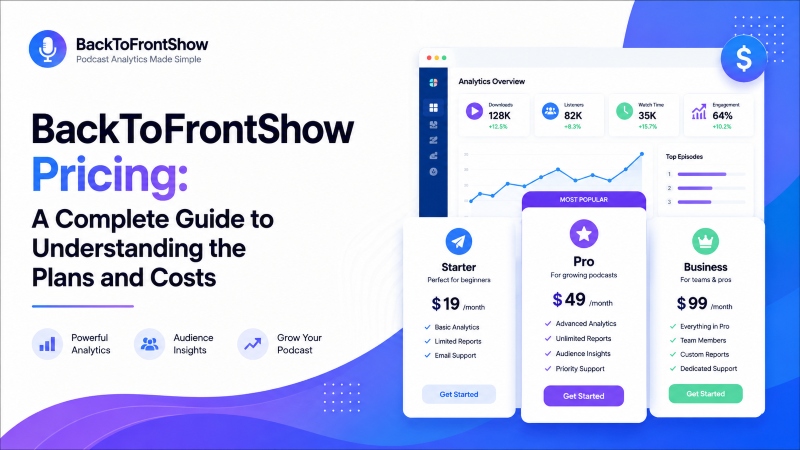
If you’ve been searching for “BackToFrontShow pricing,” you’re probably trying to figure out one simple thing: what does it actually cost, and is it worth paying for? That’s a fair question, and it deserves a clear answer rather than vague marketing language. This guide walks through how subscription-based pricing typically works, what factors influence the final cost, and how to evaluate whether a plan like BackToFrontShow fits your budget and needs. Because pricing details for platforms like this can change frequently, always confirm exact numbers on the official website before making a purchase decision.
What Is BackToFrontShow?
BackToFrontShow is a subscription-based platform, and like most modern software or content platforms, its pricing is typically structured around tiered plans. Instead of charging one flat fee for everyone, providers usually offer multiple levels so users only pay for the features and capacity they actually need. This tiered approach is common across SaaS tools, analytics platforms, and online learning services alike, and it’s worth understanding the general logic before diving into specific numbers.
Why Tiered Pricing Exists
Tiered pricing lets a platform serve very different types of customers — a solo freelancer and a large enterprise team — without forcing either one into a plan that doesn’t fit. Lower tiers keep the entry point affordable, while higher tiers unlock advanced features, more usage capacity, or dedicated support.
How BackToFrontShow Pricing Is Typically Structured
Most platforms in this space organize their pricing around three to four tiers. While the exact names and features vary by provider, the general pattern looks like this:
| Tier | Best For | Typical Inclusions |
|---|---|---|
| Free / Trial | First-time users testing the platform | Limited access, basic features, no commitment |
| Basic / Core | Individuals or small teams | Core features, standard support, monthly billing |
| Pro / Growth | Growing businesses or power users | Advanced features, priority support, more usage capacity |
| Enterprise | Large organizations | Custom pricing, dedicated support, full customization |
Free or Trial Access
Many platforms offer a free tier or trial period so users can explore the core experience before committing financially. This is usually limited in scope — fewer features, capped usage, or a time limit — but it’s a low-risk way to decide whether the platform fits your workflow.
Entry-Level Plans
Entry-level plans are designed for individuals or small teams that need the essential functionality without paying for extras they won’t use. These plans are typically billed monthly or annually, with annual billing often coming at a discount.
Mid-Tier and Growth Plans
As usage needs increase, mid-tier plans usually add more advanced features — things like deeper analytics, additional integrations, or higher usage limits. These plans target users who have outgrown the basics but don’t yet need enterprise-level infrastructure.
Enterprise and Custom Pricing
For large organizations, most platforms move away from fixed pricing altogether and offer custom quotes based on team size, data volume, or specific feature requirements. This allows the provider to tailor the package while giving enterprise customers dedicated support and service-level guarantees.
Factors That Influence the Final Price
Understanding what actually drives cost differences can help you compare plans more effectively, whether you’re looking at BackToFrontShow specifically or evaluating similar platforms.
Number of Users or Seats
Many platforms charge per user or per seat, meaning the total cost scales directly with team size. This is common for collaboration tools and analytics dashboards.
Usage Volume
Platforms that process data — analytics tools, for example — often price based on volume, such as the number of records processed, reports generated, or events tracked.
Feature Access
Advanced features like automation, integrations, custom reporting, or priority support are usually reserved for higher-tier plans, directly affecting price.
Billing Frequency
Annual billing typically comes at a discount compared to monthly billing, since it reduces churn risk for the provider and rewards longer-term commitment.
How to Decide Which Plan Is Right for You
Choosing a plan isn’t just about picking the cheapest option — it’s about matching the plan to your actual needs so you’re not overpaying for unused features or underpaying and hitting limitations too soon.
Questions to Ask Before Choosing
- What features do I actually need right now, versus later?
- How many people on my team need access?
- Am I comfortable with an annual commitment, or do I need monthly flexibility?
- Does the platform offer a free trial or money-back guarantee?
- What happens if I need to upgrade or downgrade later?
Start Small and Scale Up
If you’re unsure which tier fits, it’s generally safer to start with a lower tier or free trial and upgrade once you have a clearer picture of your actual usage. Most platforms make upgrading straightforward, while downgrading can sometimes mean losing access to data or features.
Tips for Evaluating Any Subscription Pricing
Beyond the specific numbers, a few general principles apply whenever you’re comparing subscription-based pricing:
- Look past the sticker price. Check for hidden costs like add-ons, integrations, or overage charges.
- Read the refund policy. Many platforms offer a 30-day money-back guarantee, which lowers the risk of trying a paid plan.
- Check for contract lock-ins. Some providers require long-term contracts with penalties for early cancellation — always confirm this before signing up.
- Compare against alternatives. Even if a platform seems like a good fit, it’s worth checking one or two competitors to confirm the pricing is reasonable for the value offered.
Final Thoughts
Because pricing pages and plan details change often, the most reliable way to get accurate, current BackToFrontShow pricing is to check the official website directly rather than relying on secondhand summaries. Use the framework in this guide — understanding tier structure, key cost drivers, and evaluation questions — to make a confident, informed decision once you have the real numbers in front of you. Ultimately, the right plan is the one that matches your actual needs today, with room to scale as those needs grow, without paying for capacity or features you won’t use.